Systems / Sump pump
Sump Pump Installation & Replacement in Michigan
A sump pump only matters as much as the pit and discharge line it's connected to. Whether it's a new system tied into fresh drain tile or a straight swap on an aging pump, the pit, the check valve, and where the water actually goes matter as much as the pump itself.
- Pump lifespan
- 7–10 years typical
- Pit depth
- Usually 18–24 inches
- Discharge run
- 10–20+ feet from foundation
- Typical range
- $650 – $2,800 depending on scope
What a sump system is actually doing
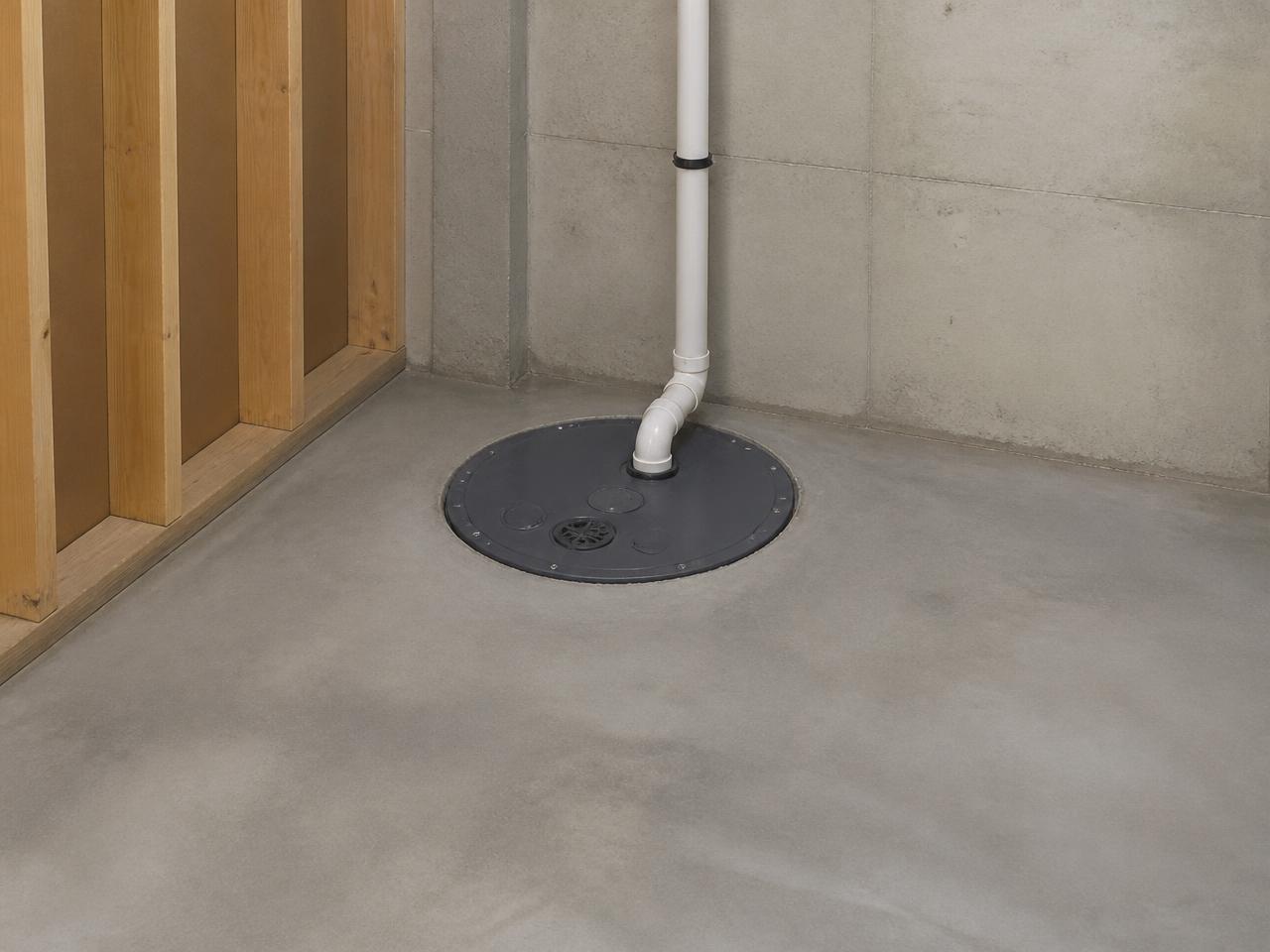
Drain tile only relocates water to one point in the basement; the sump pump is what removes it from the house. The pit collects water from the perimeter drainage, a float switch triggers the pump once the water reaches a set level, and the pump forces it through a discharge line to daylight or a storm connection well away from the foundation. Any weak link in that chain — an undersized pit, a pump that can't keep up, or a discharge line that dumps water right back next to the wall — undermines everything upstream of it.
New installation versus straight replacement
A new sump system typically comes with a drain tile installation or a basement that has never had one: the pit is dug and sealed at the low point of the perimeter, connected to the incoming drain lines, and fitted with a pump sized to the expected water volume. A replacement is more common where the pit already exists and works — the job is swapping a failing or undersized pump, replacing a worn check valve, and confirming the discharge line still runs clear and freeze-protected.
Common failure symptoms
- Pump runs constantly without the water level dropping — check valve or capacity issue.
- Pump doesn't turn on despite a full pit — float switch or power failure.
- Water backs up around the discharge exit outside — frozen or blocked line.
- Motor runs but no water moves — impeller clog or pump failure.
- Loud grinding or short-cycling — pump nearing end of service life.
Sizing a pump correctly
Pump capacity is rated in gallons per hour at a given vertical lift, and the right size depends on how much water the drain tile can deliver during peak conditions — spring thaw and sustained heavy rain being the worst case for most Michigan basements, not an average dry-season day. A pump sized for typical conditions but not the worst case is the most common reason otherwise-good systems still flood once or twice a decade.
Get pricing based on your basement's pit condition, pump age, and discharge setup.
Request Sump Pump PricingScope comparison
What determines the job
| Scenario | Typical scope | Key risk if skipped |
|---|---|---|
| Existing pit, aging pump | Pump swap, check valve | Failure during next storm |
| New drain tile install | New pit and pump | No path for collected water |
| Frequent power outages | Add battery backup | Flooding when power drops |
| Discharge freezes in winter | Re-route or reslope line | Backup at the exit point |
Questions
Sump pump questions
- How do I know my sump pump is too small for my basement?
- A pump that runs constantly during heavy rain, or a pit that fills faster than the pump can keep up during spring thaw, usually points to a capacity mismatch between the pump and the volume of groundwater the drain tile is delivering.
- Where should the discharge line go?
- It needs to carry water well away from the foundation — typically 10 to 20 feet minimum — and be routed so it can't freeze shut and back up during a Michigan winter. Discharging into the same soil the drain tile pulls from defeats the system.
- How long do sump pumps typically last?
- Most pumps run 7 to 10 years under normal conditions, less if they cycle constantly due to a high water table or undersized capacity. A pump that's approaching or past that range is worth replacing before it fails during a storm.
- Do I need a new pit, or can the pump be swapped in the existing one?
- If the existing pit is properly sized, sealed, and free of sediment, a straight pump swap is often enough. Pits that are cracked, too shallow, or were never sealed are usually rebuilt at the same time.
Keep reading
- Battery backup sump pumps
Protection when the power goes out during a storm.
- Interior drain tile
The system that feeds water to the sump pit.
- Signs drain tile is failing
When the drainage line, not the pump, is the problem.
- Michigan cost guide
How sump work fits into overall waterproofing pricing.
Estimate request
Request Sump Pump Pricing
Tell us the pump's age and what's happening in the pit. Two steps, no email required.
- 01Tell us what's happeningProblem, timing, and homeowner status.
- 02Enter your ZIP and phone numberSo local pricing can reach you.
- 03Request local pricingNo obligation, and no email required.
Get a Free Basement Waterproofing Estimate
Tell us what’s happening in your basement and request local pricing.
No obligation. Takes less than a minute.